Treatments
We offer a multitude of treatments from simple regular Dental Check-ups to Teeth Whitening and Smile Makeovers.

Fillings
Fillings are needed when the tooth has either been affected by decay, is broken, or has some developmental anomaly.

Root Canal Treatment
Root canal treatment is needed when the blood or nerve supply of the tooth is infected through decay or injury.
Dental Implants
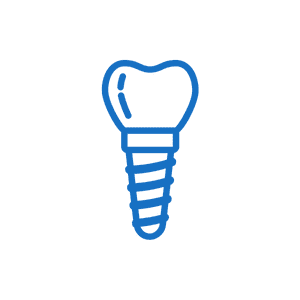
Titanium screws that are surgically placed in the jaw bone to provide stable support for crowns, bridges and dentures.

Crowns
Artificial restoration that fits over a prepared tooth, making it strong and giving it the shape of a natural tooth.

Bridges
Bridges are ideal for people who don’t like dentures and only have one or two teeth missing.

Dentures
Dentures (usually referred to as “false teeth”) are removable appliances that are used to restore missing teeth.

Orthodontic Treatment
Orthodontic treatment is the correction of malpositioned teeth, which can effect 30% of the population.
Veneers
Veneers are a popular cosmetic dental treatment and correct a number of aesthetic and dental concerns.

Teeth Whitening
Teeth whitening is a quick, effective and relatively inexpensive option for improving the appearance of smile.

Oral Surgery
When dental extractions are more complex, a surgical procedure might be involved.

Dental Hygiene
Dental hygienists provide clinical and educational care to help patients achieve good oral hygiene and avoid gum disease.

Ask the Dentist
Do you have questions? Check out our frequently asked questions section or get in touch!
What Our Patients Say